
Elevator Outfit Change AI: One Photo, a New Look Every Time the Doors Open
Elevator outfit change AI turns a single portrait into a fashion reel where every door close hands you a new outfit. You stand in the car, the doors slide shut, and the next reveal is a completely different look. One photo goes in, and a whole wardrobe sequence comes out on Textideo.
Rated on two things: whether your face still reads as you, and whether the doors close solid No credit card required - no studio booking - your photo stays yours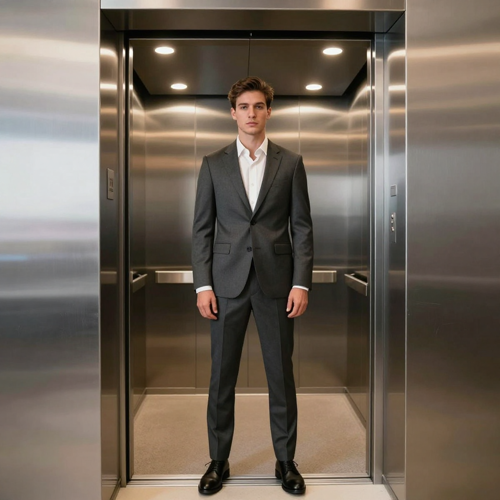
Elevator Outfit Change AI Turns One Portrait Into a Whole Wardrobe Reel
The format is the fit check of a hotel lift: filmed from outside the car, one take per outfit, cut where the doors shut. Elevator outfit change AI holds the camera, the interior and your face, then swaps clothing between reveals. Plan the looks, generate your elevator outfit change AI sequence, post it.
Make My Elevator ClipThe Hard Part With Elevator Outfit Change AI Is the Reveal, Not the Outfits
Three failure points ruin most elevator clips.
Make an Elevator Outfit Change AI Clip in Three Steps
The sequence starts with one portrait. Everything after that is choosing looks and reading the result.
Upload One Front-Facing Portrait
Pick an evenly lit shot with your face clear and your proportion readable. Leave sunglasses and hats out of it.
Write Two to Four Looks
Name each look by colour, garment and formality, so the reveals do not blur on a small screen.
Generate, Then Read the Doors
Watch the frame where the panels part. Keep the take where your face and the floor line both hold.
What Elevator Outfit Change AI Gives You
Three things decide whether an elevator outfit change AI clip works: the face stays yours, the doors hide the swap, the looks differ enough to notice.
Three Elevator Looks Worth Stealing
Three progressions that read fastest on a phone, each giving the doors of an elevator outfit change AI clip something obvious to reveal.
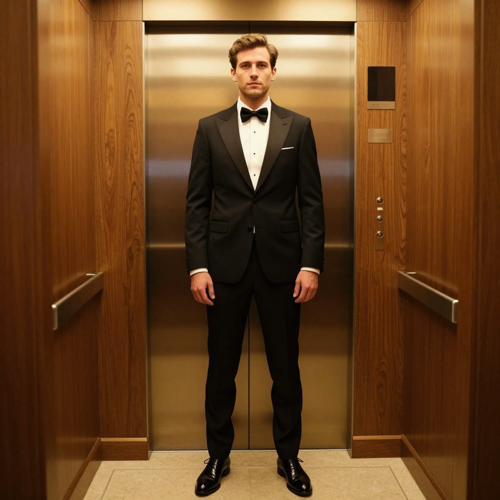
Casual to Black Tie
Open in a plain tee and jeans, close on tailoring. The silhouette change registers before the fabric does, which is what makes the first reveal land.
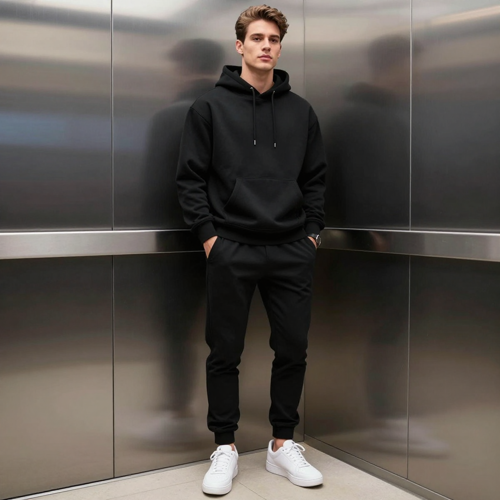
Streetwear Through to Evening
Start with a hoodie and sneakers, finish in a column dress or a suit. The steps between let you walk the formality up instead of jumping.
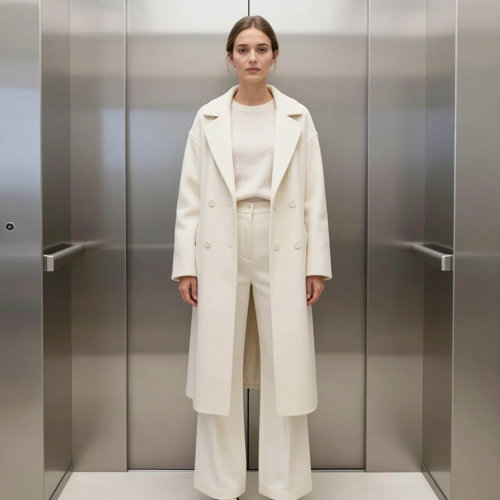
One Colour Story per Door
Hold the palette steady and change the shape: wide trousers, then a long dress, then a coat. Monochrome looks survive small screens better than busy prints.
What the Doors Hide on Every Ride
Four inputs decide how an elevator outfit change AI clip feels: the photo, the look list, the audio bed and the line underneath.
Who Struggles Most With an Elevator Outfit Change AI Shoot
Four groups gain the most from generating elevator outfit change AI instead of filming it, each for a different reason.
Solo Creators With No Second Pair of Hands
Filming one take per outfit means a tripod, a patient building and someone to press record. Generating removes all three.
Stylists Building an Elevator Outfit Change AI Pitch
A moodboard argues in stills. Motion argues better, because clients read a silhouette change faster when the setting never moves.
Small Labels Testing a Drop
A shoot day costs models, a location and a rail of samples. A generated pass shows whether the colour story holds.
Anyone Whose Building Says No
Real elevator filming needs permission, and plenty of buildings refuse. A generated elevator outfit change AI clip keeps the setting without blocking one.
Elevator Outfit Change AI at a Glance
- TikTok
- Instagram Reels
- YouTube Shorts
- CapCut
- Lemon8
Why an Elevator Outfit Change AI Beats Four Separate Takes
Filming elevator outfit change AI for real takes a quiet lift, a tripod outside it and a costume change per ride. Generating the sequence changes what the afternoon looks like.
One Photo Carries the Whole Elevator Outfit Change AI Clip
Your face, hair and build stay with you across every reveal, so the sequence reads as one person.
The Door Close Does the Cutting
Outfits change while the car is hidden, which removes the jump cut that gives home-made versions a stitched look.
Reveals Land on a Beat
Each opening is a fixed moment, so a music bed lines up without you counting frames.
Wardrobe Contrast Without a Wardrobe
Colour, silhouette and formality can swing hard between looks, because none of it hangs in your closet.
Try the Look Before You Buy It
Run a styling idea through the sequence, then decide whether the real garment is worth buying.
Framed for Phone Feeds
The clip arrives composed for vertical short-form, so cropping is settled before you download.
What Creators Say After Their First Door Close
“I had four outfits and nobody to hold the phone. Filming it properly meant a tripod in a corridor and a costume change in the dark. Generating gave me three reveals in one take's time.”
“My pitch decks were all stills, and clients kept asking how the silhouette moves. I ran three looks through one elevator and the conversation changed: nothing shifts but the clothes.”
“We used to spend a shoot day finding out whether a colour story held. Now we see it before a sample is cut, so only the looks that survive get shot.”
Questions People Ask Before Their First Elevator Reveal
Ten answers on where elevator outfit change AI came from, what to upload, what to write, what to check and what you may publish.
Where did the elevator outfit change trend start?
It began as a fashion short, not as a software effect. In December 2023 a fashion house posted an elevator fit check in which a model left a hotel lift in a new look every time the doors opened. Through 2024 and 2025 creators ran one-outfit-per-floor versions, and by early 2026 brands were using the shape as an ad format. Clearly AI-labelled versions appeared in early September 2026, template packs followed in October 2026, and the tag has since passed a thousand clips.
What does elevator fit check mean, and why do the doors work as a transition?
Fit check is short for outfit check: turn, show the whole look, let people judge it. An elevator fit check does that inside a lift car, which is where the doors earn their place. A closing door gives you a black frame, a full-body cover and a beat to cut on in the same instant, so the edit hides inside the shot.
What does the AI version do differently from filming it?
Filming takes one ride per outfit, with a tripod outside the lift and a costume change in the dark. Elevator outfit change AI starts from one portrait and produces the whole sequence. The framing does not change: same car, same angle, new clothes when the doors part.
Which photo works best for elevator outfit change AI?
One adult aged 18 or over, facing the camera, in even light, with your face and your proportions readable. Skip sunglasses, hats and heavy filters, because the model anchors identity on that first face. Skip group shots, since the sequence is built around one person.
Can I paste a prompt instead of writing my own?
Yes. Copy the block below and change only the three outfit lines. Vertical fashion clip, one adult standing centred in a stainless steel elevator, filmed straight on from outside the car. Keep the same face, hairstyle, skin tone and body proportions in every frame, and keep the camera and lighting fixed. The doors close and the outfit changes only while they are shut: look one, a sand trench coat over a white shirt and dark trousers; look two, a plum knit with black tailored trousers; look three, a black tie suit. Each reveal lands on the frame the doors part. Realistic fabric, natural folds, no logos, no facial change, no camera jump.
How many outfits should one clip show?
Two to four. Two reads clean on a first attempt and gives the model fewer chances to mix garments. Three gives a beginning, a middle and an ending. Four is the ceiling before details wander, so extend a pass that holds.
What should I check before posting an elevator outfit change AI clip?
Read it four times. First the face, and whether it still reads as you across every reveal. Then the doors, and whether they travel as solid panels rather than rippling. Then the clothing, for merged sleeves and invented seams. Last, the floor, where feet should stay planted.
Does the video come out with music?
Most renders come out silent, and the track is added afterwards in your editor. Align the beat to the frame where the doors part, not where they start moving, and keep the platform's AI label on. Confirm the music licence before an ad goes live.
Is elevator outfit change AI the same as an elevator fit check, an AI outfit transition or an elevator transition video?
They overlap, and people use them interchangeably. An elevator fit check is the original showing-the-outfit format, filmed or generated. An AI outfit transition is the wider category of clothing swaps hidden behind a cut; an elevator transition video is any clip where the doors do the cutting. Elevator outfit change AI is the version where one portrait generates the entire set.
Whose photo can I upload, and can I use the clip commercially?
Only a photo you own or have permission to use, and only of an adult (18+) who agreed to appear. No celebrities, no strangers, no minors, and no real person in the caption. For paid placement, check the music licence and the disclosure rules of the platform.
Start Your Elevator Outfit Change AI Clip With One Photo
Pick one front-facing shot in even light, write two to four looks, and generate. Keep the take where the doors close solid.
No credit card required - no studio booking - your photo stays yours