
Ramalama AI: Turn One Photo Into a Costume Walk Reveal
Ramalama AI turns one photo into the low-angle costume walk that filled Halloween feeds this October. The camera starts at shoe level, your subject closes the distance in slow steps, and a single tilt upward lands the whole outfit on the beat. There is no camera crew, no retake in a bulky cape, and no editing timeline to rebuild.
Rated 4.7 by creators shipping short-form video No credit card required - no camera crew - 9:16 export for TikTok, Reels and Shorts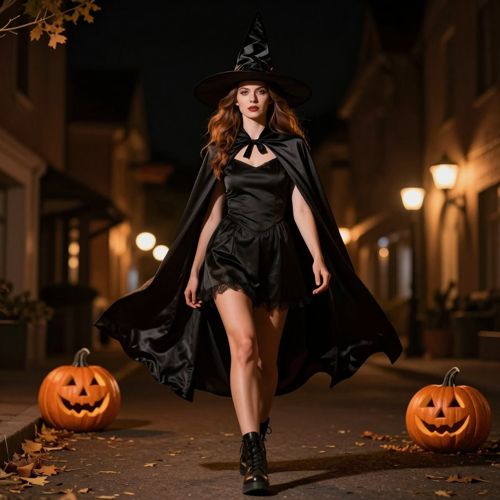
A Ramalama AI Walk Needs One Photo, Not a Film Crew
One clear portrait or pet photo is all the Ramalama AI effect needs, and it builds the entire reveal around that frame: a ground-level opening, measured steps toward the lens, then a slow tilt that finishes on your face and the full costume. Name a witch cape, a vampire collar, or your own outfit idea, add two concrete details, and generate a vertical clip worth posting.
Make My Ramalama AI VideoThe Hard Part With Ramalama AI Is Everything Before the Reveal
Three things break a costume walk long before the beat drops.
Make Ramalama AI in Three Steps
Three moves take a photo to a vertical clip you can publish, with the walk and camera direction already handled.
Upload one clear photo
Pick a well-lit frame with the face or muzzle visible and enough of the body to guide the walk.
Describe the costume and setting
Name one outfit, its fabric, a single accessory, and the street or hallway it happens in.
Check the reveal and export
Replay the last three seconds, confirm the feet and the face, then download the 9:16 clip.
What Ramalama AI Gives You
Three things the effect takes off your hands so a costume reveal stops being a production problem and becomes a ten-second decision.
Ramalama AI Clips Worth Rewatching
Three shapes the walk takes once one photo goes in. The structure stays put; what changes is the character underneath the costume.
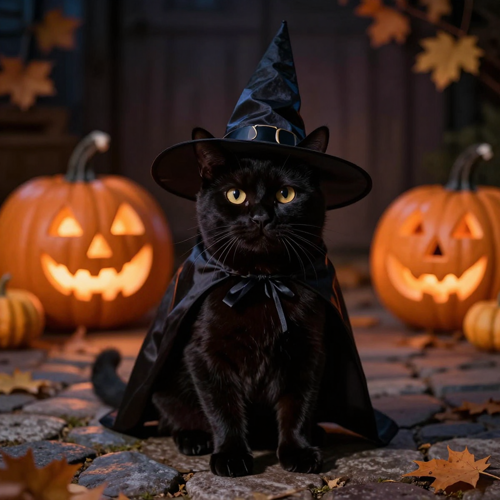
A cat in a pointed hat
A pet portrait becomes a lantern-lit stroll past a row of jack-o'-lanterns, with ears, whiskers and coat pattern doing the recognizing. The hat and cape come with the effect, so nothing gets tied onto a real animal.
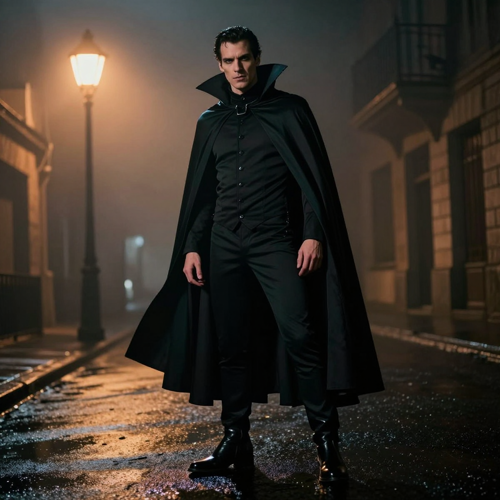
A vampire entrance on a dark street
Polished boots, a high collar, and a cape that opens as the camera climbs. This version wants a half-body source photo, because the tilt travels a long way from shoes to face and every inch is a chance for the outfit to change.
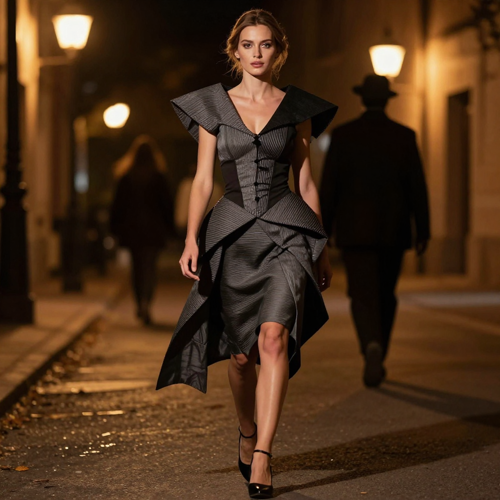
Your own outfit, one night early
Use a Ramalama AI clip to watch how a silhouette reads in motion before the party. Structured shapes and lined fabric survive the upward tilt better than flat layers that dissolve into a dark street.
Ramalama AI Starts With Whatever Photo You Have
Four inputs a walk can be built from, and what each changes about the reveal.
Who Makes Ramalama AI and Who Struggles Without It
Four kinds of creators who hit the same wall: the reveal is easy to picture, awkward to film alone.
Halloween creators with one good costume
You have the outfit and nobody to hold a phone at ankle height. The effect turns a fitting-room mirror shot into the walk you could not have filmed alone.
Pet accounts that need a Ramalama AI runway
A cat will not wear a hat and a dog will not hold a stride on cue. Generating the walk keeps the animal recognizable while the costume stays imaginary, which for most owners is the only version of this trend they will get.
Cosplayers shooting solo
Heavy prosthetics and long capes make a low-angle self-take close to impossible in a hallway. One reference photo plus a written setting produces a usable entrance without a second pair of hands.
Small brands posting seasonal clips
A short reveal fits a product drop, a salon look, or a shop window dressed for October. Silent export keeps the soundtrack decision inside the music library the account is actually licensed for.
Ramalama AI at a Glance
- TikTok
- Instagram Reels
- YouTube Shorts
- CapCut
- Snapchat
Why Ramalama AI Works Better on Textideo
Six reasons a costume walk turns out better generated than filmed on a weekend.
One photo replaces a full shoot
A single well-lit frame carries the face, the outfit and the proportions, and Ramalama AI builds the tilt around it.
The Ramalama AI camera move ships with the effect
Ground-level opening, slow approach, upward tilt, closing pose. You write the costume instead of choreographing a walk.
Pets get a runway without a costume fitting
Cats and dogs keep their coat markings while the walk stays fictional. No hat on a real animal, no training session, no second take.
Vertical output, already framed for posting
Clips render 9:16, so a reveal never gets cropped into a letterbox after export.
Short drafts keep the credit spend small
Ten to fifteen seconds is enough to judge motion and timing, and only the take you keep needs a larger render.
Silent renders keep the music question clean
Music stays your call. Clips come back silent, so the soundtrack is added later in whichever library your account is cleared to use.
What Creators Say About Ramalama AI
“Filming a low-angle walk in a full costume by myself was the part I kept failing. One photo and two lines about the cape got me a clip I could actually post.”
“The reveal has to land on the beat or the whole thing falls flat, so I watch the last three seconds first and only then decide whether to spend credits again.”
“My cat will never wear a hat in real life, so a generated runway is the only version of this trend she is ever going to star in.”
Ramalama AI Questions Creators Actually Ask
Ten answers about photos, motion, costumes, music rights and cost, written for a first costume walk.
What is Ramalama AI?
Ramalama AI is a photo-to-video effect that rebuilds the Ramalama costume walk out of a single image. The clip opens at ground level on shoes or paws, follows a slow approach toward the camera, then tilts up to reveal the outfit and face. It is a generated effect, not a face-swap filter, and not the unrelated open-source RamaLama container tool.
How do I make a Ramalama AI video with one photo?
Upload one clear photo, write a short costume direction, and generate. The walk, the ground-level opening and the upward tilt are already handled, so your instructions only cover the outfit, the setting and the closing pose. Review the draft before exporting.
Do I need to film anything or learn choreography?
Nothing. The walk is generated, so there is no low-angle shot to set up and no costume to wear through a retake. That is the real reason creators reach for this effect: a heavy cape or a cat that refuses a hat stops being a filming problem.
Why do the feet slide instead of stepping?
Sliding feet usually come from an unclear leg structure in the source photo, or from movement instructions that fight each other. Use a half-body or full-body frame and ask for slow steps with visible ground contact. A higher resolution will not repair motion, so fix the input first.
Why does the face change at the reveal?
Face changes come from a weak identity reference or a camera move that jumps too far in one beat. A sharp, front-facing photo with open eyes and no sunglasses gives the model more to hold, while lighter makeup reduces what can drift. Check the last three seconds before spending credits again.
Can I make a Ramalama AI clip with my cat or dog?
Yes, pet photos are among the most common inputs. Keep the face, ears and coat markings visible, because those details carry through the costume. Generated anatomy varies, so watch for an upright walk or extra legs before you download.
Is Ramalama AI the same as a Ramalama dance video or the take a picture trend?
They share a song, not a format. Ramalama AI here is the costume walk: low angle, slow approach, tilt, full reveal. The take a picture and witch-on-the-moon edits are separate cuts on the same 2005 Róisín Murphy track, and a Ramalama dance video means a choreographed routine instead.
Does a Ramalama AI clip include the Ramalama (Bang Bang) song?
Usually not, and that is deliberate. The recording is copyrighted, and a generator naming the track does not hand you a license to distribute it. The effect exports a clean clip, then you attach audio inside the library your account is permitted to use.
What length and aspect ratio should I export?
Export 9:16 vertical and keep the clip between 10 and 15 seconds. That span holds the opening, the upward tilt and a closing pose, while staying short enough that viewers do not scroll past before the reveal. A 720p draft is enough to judge motion.
Is Ramalama AI free, and can I use the result commercially?
Treat starter credits as a trial rather than a free export, since sign-up credit often covers a preview instead of a downloadable file. Commercial use depends on your account terms and the music you add afterwards.
Your Ramalama AI Reveal Is One Photo Away
Pick the photo, write the costume in two lines, and let the walk build itself. Your Ramalama AI clip is ready to post while everyone still knows the sound.
No credit card required - no camera crew - 9:16 export for TikTok, Reels and Shorts