
The Butterfly Lighting Effect Turns a Flat Snapshot Into a Sculpted Portrait
Butterfly lighting effect is the classic setup that puts one soft key light directly above the camera, casting a small symmetrical shadow beneath the nose. On Textideo, that shadow can be added to a photo you already have, without a beauty dish or a studio. Cheekbones lift, skin reads smoother, and both eyes keep a catchlight instead of a ring light's flat look.
Rated on whether the shadow under the nose reads as a soft butterfly, and whether both eyes keep their catchlight. No credit card required - no sign-up - your photo stays yours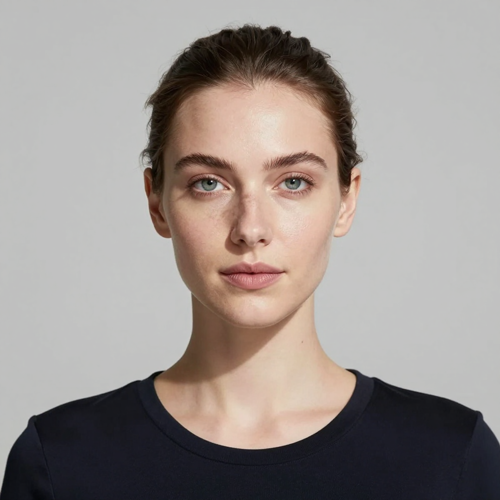
Butterfly Lighting Effect Without a Studio, Beauty Dish, or Crew
A butterfly lighting effect once meant booking a studio, hanging one light over the lens, and holding a reflector under the chin. The same shadow geometry now applies to a front-facing photo you already own, available on Textideo. Pick the nose shadow's softness and let the light sculpt the face.
Add the Butterfly Lighting EffectThe Hard Part With Butterfly Lighting Effect Is the Shadow, Not the Subject
Get the placement wrong and the whole portrait reads wrong.
Make the Butterfly Lighting Effect in Three Steps
No boom arm, no light meter, no reflector to hold. The butterfly lighting effect here is a relighting pass over one front-facing portrait - three steps, nothing more.
Frame the Butterfly Lighting Effect Face
Start with a clear, front-facing photo: both eyes, the nose, and cheekbones visible and unobstructed. Head-on angles matter - if the face turns, the nose shadow drifts sideways and the butterfly cannot form. Even light on the original gives the cleanest base.
Set the Overhead Key Light
Choose how strong the butterfly lighting effect should read - a faint shadow for an ID photo, a defined butterfly for a beauty crop. The light sits centered just above the camera axis, angled down, with an optional under-chin fill to keep the neck from going dark.
Check the Shadow, Then Export
Look under the nose first: the shadow should be small, symmetric, and stop above the upper lip, with a catchlight high in each eye. If it runs long, lower the light; if it vanishes, raise it. Save once the face still looks like the same person.
The Shadow Geometry Behind a Clean Headshot
Three controls do almost all the work in a butterfly lighting effect: key light position, edge hardness, and how much fill comes up from below. Here is what each changes in the portrait.
Three Portraits, Three Shadow Depths
One face can carry the butterfly lighting effect at three strengths. Each card describes what the shadow does to the portrait, not how the tool is labelled.
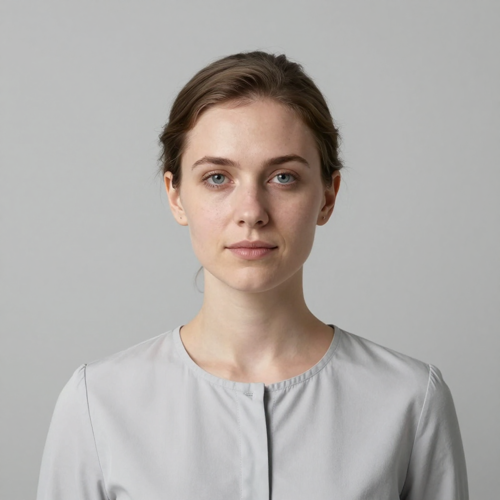
Butterfly Lighting Effect, Barely There
A faint, wide key light leaves a whisper of shadow under the nose. This version suits passports, staff badges, and corporate headshots, where quiet structure matters more than glamour.
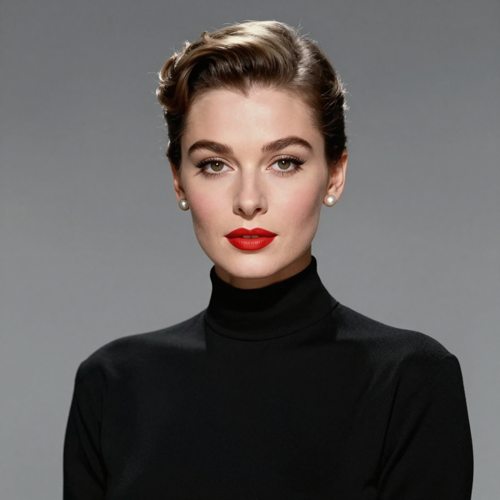
The Classic Butterfly Nose Shadow
A defined, symmetric butterfly sits between the nose and upper lip while the forehead, nose bridge, and cheeks catch clean highlights. Cheekbones read sharper and the jaw slimmer - Hollywood glamour in one frame.
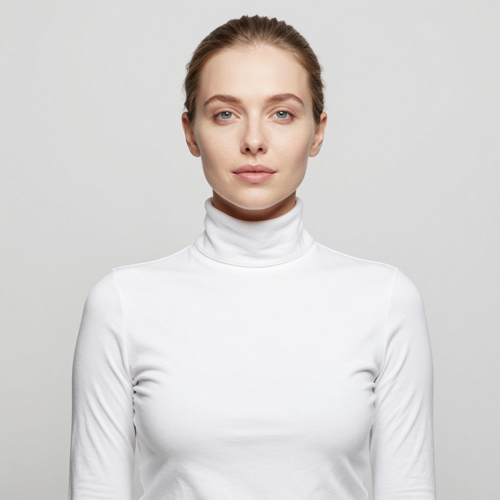
Clamshell-Soft Beauty Light
Add a stronger fill from below and it becomes clamshell beauty light: the nose shadow stays, but under-chin darkness lifts. Skin looks even and luminous, which is why cosmetics portraits use it.
Where the Same Shadow Has to Hold Up
The butterfly lighting effect is picky about its starting image. These four input types cover where a centered overhead key helps, each with a slightly different shadow depth.
Who Struggles When the Light Sits Too Low
People often search the butterfly lighting effect after noticing a flat, lifeless portrait but not the lighting behind it. Four groups run into it most often.
Job Seekers and Profile Owners
A passport-style or LinkedIn photo under a ceiling light shows no cheekbones. A small butterfly shadow gives the face dimension and professional polish without changing a feature.
Beauty and Skincare Creators
Makeup and skin need light that flatters rather than interrogates. The butterfly lighting effect smooths the frontal planes and lifts the cheekbones, so close-ups read luminous, not harsh.
Brand and Team-Page Coordinators
Ten headshots from ten people mean ten lighting setups. One consistent overhead key makes the grid look intentional, and the butterfly lighting effect is the pattern that survives repetition.
Retouchers Without a Studio
Painting a believable nose shadow by hand takes ages and looks pasted on. A relighting pass built on real butterfly lighting geometry gets the shadow, fill, and catchlight right first time.
Butterfly Lighting Effect at a Glance
- Portrait Hub
- Headshot Bureau
- Beauty Light Lab
- Studio Notes
- Frame & Fill
Why Butterfly Lighting Effect Beats a Flat Ring Light
Every lighting choice is a choice about where shadows fall. The butterfly lighting effect puts one soft source straight above the lens, so the nose casts a small symmetric shadow above the upper lip. Six reasons that geometry beats flat frontal light.
Butterfly Lighting Effect vs. Side Light
A side key darkens half the face and exaggerates pores and fine lines. A centered overhead key fills those planes with light, so texture softens while cheekbones keep a defined edge.
One Shadow, Symmetrical by Design
Because the source sits on the camera axis, both sides of the face get identical light. That symmetry reads as polished rather than dramatic, and made the pattern the default for beauty work.
A Shadow That Stops at the Lip
The whole effect lives or dies on a few millimetres. Too high and the nose shadow runs past the lip into a gaunt look; too low and it vanishes. Containing that small butterfly is the whole skill.
A Copy-Paste Butterfly Lighting Effect Prompt
Copy this straight into an AI photo editor: "Relight this front-facing portrait with butterfly lighting - one soft key light centered just above the lens, angled down about forty degrees, a small symmetrical butterfly shadow under the nose stopping above the upper lip, gentle cheekbone highlights, a soft under-chin fill, catchlights high in both eyes, and keep the face, skin tone, hair, and expression unchanged."
Your Portrait Stays Yours
Add the butterfly lighting effect to a photo you have the rights to; the file is used only for that edit. Nothing asks you to hand over a likeness for training, and no watermark is added.
One Look Across a Whole Set
A team page, press kit, or batch of ID photos all share one problem - mixed light. Applying the same setup to each frame gives the set one consistent nose shadow and mood.
What Portrait Shooters Say About the Butterfly Lighting Effect
“My ID photos always looked pancake-flat until that small nose shadow showed up - same face, just sculpted.”
“I can hold one soft butterfly shadow across a whole team page without re-shooting a single person.”
“The catchlight sits high in both eyes now, which is the bit I could never fake with a brightness slider.”
Butterfly Lighting Effect Questions, Answered Plainly
Ten common questions - what the butterfly lighting effect is, which faces it flatters, and how it differs from the patterns it gets confused with.
What is the butterfly lighting effect, exactly?
One key light sits directly above and in front of the face; the nose casts a small, symmetrical butterfly-shaped shadow. Also called Paramount lighting, after old Hollywood portraits.
Why is it also called Paramount lighting?
Glamour photographers of the 1930s and 1940s used this centered overhead setup for star portraits. The butterfly lighting effect is the same geometry, still a beauty-work default.
How does the butterfly lighting effect differ from loop lighting?
Loop lighting moves the key to one side, angling the nose shadow toward the cheek. The butterfly lighting effect keeps it centered, so the shadow falls straight down. Loop flatters more faces.
Is a ring light the same thing?
No. A ring light gives flat, nearly shadowless light and a circular catchlight. The butterfly lighting effect deliberately builds a defined nose shadow and sculpts the cheekbones - the opposite.
Which face shapes suit the butterfly lighting effect best?
Oval and heart-shaped faces with defined cheekbones suit it best; a square jaw looks softer. Round faces may read wider and deep-set eyes hollow - lower the light or add fill.
What photo should I start with?
Use a clear, front-facing portrait with both eyes, nose, and cheekbones visible, without strong side light baked in. A turned head breaks the symmetry, so a straight-on frame is safest.
How do I describe the butterfly lighting effect in a prompt?
Name the light, not the mood: one soft key centered just above the camera angled down, a small butterfly shadow above the upper lip, soft under-chin fill, high catchlights. Keep the face unchanged.
Can I use the butterfly lighting effect on an ID photo?
Yes, but keep it subtle. A faint, wide key adds just enough shadow on a passport or badge; a hard butterfly looks theatrical. Raising the light scales it up to glamour.
Are my photos and usage rights respected?
Apply the butterfly lighting effect only to images you own or may edit; the file is used for that single pass. No watermark, no changed identity - the portrait you export stays yours.
Can I keep one look across a whole batch?
Lock one light height, fill strength, and shadow depth, then apply the same butterfly lighting effect across a team page or press kit. The grid shares one coherent shadow.
Put the Butterfly Lighting Effect on Your Next Portrait
One front-facing photo, one centered key light, one small shadow under the nose. Add the butterfly lighting effect on Textideo and see how much structure a single light can give a face.
No credit card required - no sign-up - your photo stays yours