ChatGPT Millionaire is the joke that starts with “how I become a millionaire in 30 days?” and lands on a two-word answer: “Get a job.” Upload one portrait and the ChatGPT Millionaire photo effect stages that whole arc — the hopeful ask, the read, the offended pause — as a single frame you can post. Creators reach for it because the punchline survives on mute, and a still that reads without sound gets shared before the trend cools.
Create My ChatGPT Millionaire Photo One portrait in · no prompt to write · label your post as AI-generatedLook up ChatGPT Millionaire and the results split in two: get-rich ebooks about earning with AI on one side, and generators that hand you a face-swapped stranger on the other. Neither gives you a still that reads in a feed playing on mute, which is where most of this meme is actually consumed.
By the time a prompt has been drafted, tested and rewritten twice, the hashtag has moved on. One upload with nothing to write is the difference between posting tonight and never posting it.
Most one-click filters drop somebody else's face onto a template. The joke only works if it is you asking the question, so identity has to survive every styling pass.
The punchline is a facial expression, but an autoplaying clip loses the line that sets it up. A still keeps the reaction and drops the dependency on sound.
A phone at the mouth, a screen worth reading and a believable double-take take longer to describe than the trend will wait. Preset staging removes that step entirely.
No prompt to write, no timeline to edit. The staging is preset and you bring the face.
A front-facing photo, evenly lit, nothing across the face. One person in frame, JPG, PNG or WebP.
Reaction still, before-and-after pair, or the luxury restyle. The phone, the screen and the expression are already set.
Save the frame at the ratio your platform wants and publish it while the trend is still warm.
Three outputs come out of the same single upload — the reaction frame, the before-and-after pair, and the luxury version that answers the question the bit never gets around to.
This meme lives or dies on one face at one moment: the second the screen delivers “Get a job.” The effect stages the phone, the lit screen and the expression together so the recoil still reads at thumbnail size, with your own features left intact.
Two frames, one identity — hopeful on the left, offended on the right. It is the version that performs best in carousels, because the contrast carries the joke before anyone reads a caption.
The same portrait, restyled as the millionaire the question was aiming at: sharp tailoring, a watch worth noticing, a terrace at golden hour. Post it under the recoil as the punchline, or keep it as a profile picture that quietly commits to the bit.
Six reasons the photo version of the ChatGPT Millionaire bit beats rebuilding it by hand, and why a still is the format that travels furthest from a single upload.
The question, the reply and the four-beat reaction are already staged. You are not describing a scene in a text box and hoping the model reads it your way.
Identity is locked before any restyling happens, so the person recoiling at “Get a job.” is recognisably you and not a generic stand-in.
A still carries the whole arc in one frame — phone up, screen lit, face mid-recoil — which is exactly what a quiet feed shows.
Download the frame at the ratio your destination crops to, so the phone and the expression never fall off the top of the picture.
An upright animal asking for a shortcut is half the reason this trend travelled. One clear photo of a dog or a cat gets the same four beats.
Meme cycles are measured in days. One upload and one render is a post you can publish tonight rather than a project you finish later.
Four groups, one workflow: a portrait goes in and a post-ready frame comes out.
Posting velocity decides who rides a trend. A frame that takes one upload fits a same-night schedule, and the reaction still reads with the sound off.
The joke lands harder when the face is someone the chat already knows. Cast a friend who has agreed to it, then send the frame where the conversation is.
A dog asking how to become a millionaire in 30 days needs no setup line. The upright pose and the delayed offended look do the work a caption would otherwise have to do.
Budget-meeting humour travels further than another product shot. One recognisable team member asking an impossible question is a post people send to each other.
Three ways the same one-photo workflow lands: the garage recoil, the passenger-seat double take, and the version that quietly answers the question.
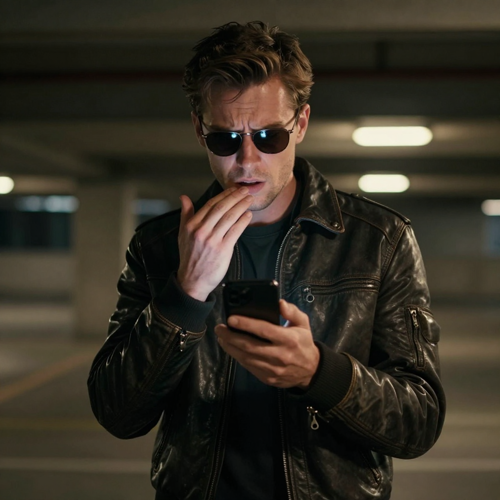
Phone still at the mouth, screen lit, confidence gone. This is the frame the meme is actually about and the one that gets saved.
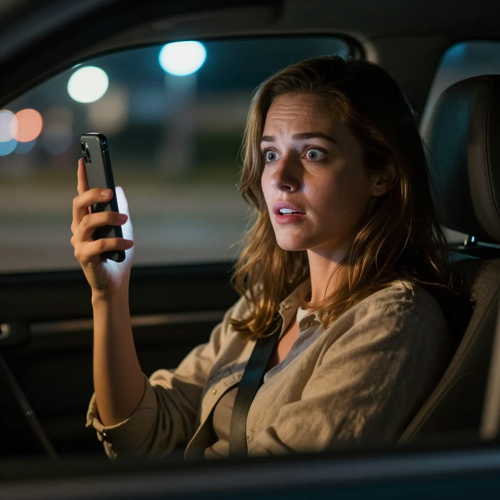
Warmer light, tighter crop, the pause just after the answer lands. Reads best as the second slide of a carousel.
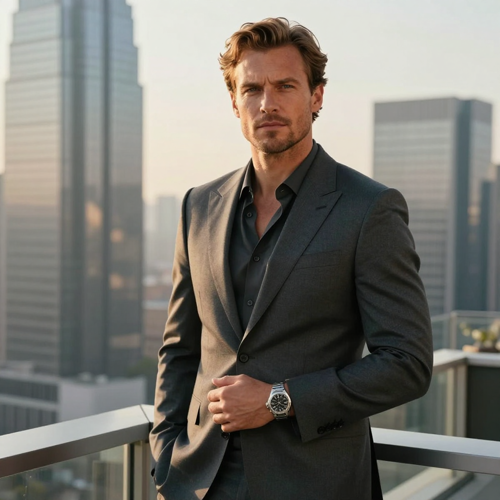
The millionaire the question was aimed at — suit, watch, terrace, golden hour. Run it beneath the recoil as the punchline.
Four directions the same portrait can go, depending on whether you want the joke, the contrast, the flex or the animal version.
Ask, reply, recoil. One frame, no caption required, posted the same night.
Two frames side by side. The contrast is the joke, which is why carousels suit it.
Skip the punchline and go straight to the luxury restyle — tailoring, watch, terrace, golden hour.
Upright pose, phone held up, deeply offended expression. Half of why this trend travelled.
Three accounts, three reasons, one portrait each.
I had the frame up the same night I saw the bit. Before this I was trying to describe the scene in a prompt and getting a stranger's face back — now it is my face mid-recoil and the comments get it immediately.
The animal version is the one that travels. We ran a dog asking how to become a millionaire and it outdid everything else that week, and it needed no caption at all.
Our product shots were getting nothing. One frame of our ops lead asking the phone for a shortcut, captioned as a budget meeting, got more shares than the whole previous month.
What the ChatGPT Millionaire photo effect produces, what kind of portrait works, how the animal version behaves, and where the still differs from the clip the trend started as.
It is a one-photo effect built around the “how I become a millionaire in 30 days?” joke. You upload a single portrait and get back a still frame of you asking the question, reading the short “Get a job.” reply, and reacting to it. The phone, the screen and the expression are preset, so there is no prompt to write, and because the output is an image rather than a clip it works in stories, carousels and feeds that play silently.
Treat it as a scripted punchline rather than a transcript. The joke is built on the gap between an ambitious question and a deliberately plain two-word answer, and the comedy comes from the reaction rather than from the reply. Nothing here is financial advice, and the “30 days” framing is part of the meme instead of a plan anyone should follow.
No. Search results for this keyword are full of get-rich ebooks, courses and prompt packs about earning with AI, and this page is none of them. The ChatGPT Millionaire photo effect is a one-portrait effect built on the “Get a job.” joke: you upload a photo and get a still of yourself asking the impossible question and reacting to the answer. There is no money-making method on this page and nothing here is a wealth strategy.
One person, facing the camera, evenly lit, with nothing across the face — no sunglasses, no hand, no hair over the eyes. JPG, PNG and WebP all work. A neutral or slightly hopeful expression gives the effect more to work with than a broad smile does, because the recoil needs somewhere to travel from.
No. The question, the reply and the four-beat reaction are already staged, so the only input is your portrait. That is deliberate: by the time a prompt has been drafted, tested and rewritten, a meme trend has usually moved on.
Yes. Use a clear photo with the face and body visible and the effect sets the animal upright with the phone and the same delayed offended look. Animal renders vary more than people renders, since the pose and the expression are harder to predict, so review the result before you post it.
A rich-version filter restyles you into a luxury setting and stops there. This effect is built around a specific joke with a setup, a reply and a reaction, and it produces that luxury restyle as one of its outputs rather than as the whole point. If you want a glamorous portrait, both will do; if you want the meme, only one of them has the beats.
Pick the ratio your destination crops to before you download. A vertical frame suits stories, Reels, Shorts and TikTok, while a square or landscape crop suits feed posts and carousels. Exporting at the platform's own ratio avoids the automatic crop that trims the top of the picture, which is exactly where the phone and the expression sit.
Yes, as long as the photo is yours or you have permission to use it and the person in it has agreed to appear. Keep the caption in on the joke: a parody about wanting a shortcut is fine, while wording that implies real earnings or a working money shortcut is not. Label the post as AI-generated wherever your platform asks for it.
You can start without writing a prompt or installing anything, and the generator shows a credit estimate before you confirm a render, so you know what a given frame costs before it runs. That estimate is the number to check, since credit pricing moves with the plan you are on.
Six sibling effects that run on the same one-portrait workflow as the ChatGPT Millionaire photo effect, for when the mood calls for something other than a phone and a bad answer.
One portrait in, one post-ready frame out. The ChatGPT Millionaire photo effect keeps your face, your light and your setting, then builds the ask, the reply and the recoil around them.
One portrait in · no prompt to write · label your post as AI-generated