A thats the jawn ai dance generator is built around one joke: a person holds a drink, looks unbothered while a beat builds, then grins and bounces the moment it drops. It animates one still photo into a shareable vertical clip, with no routine to learn.
Rated on whether the deadpan holds through the build, and whether the grin lands on the drop instead of half a second late. No choreography to learn - no prompt to write - only use a photo you have permission to share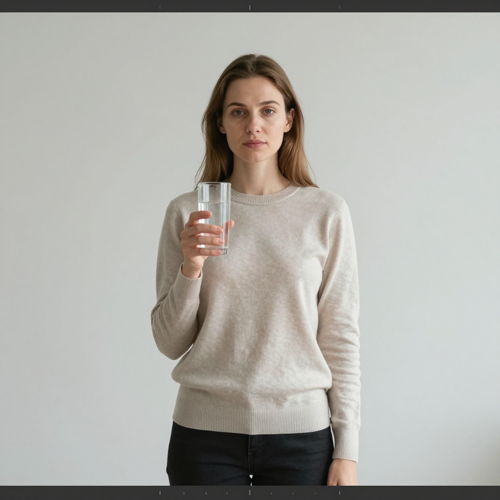
Skip the camera. A thats the jawn ai dance generator turns one front-facing photo into a vertical clip that stays deadpan, then grins when the beat lands. Upload a photo you may share and review the result on Textideo.
Try Thats The Jawn AI Dance GeneratorA fixed effect has one honest standard - the switch has to land - and three familiar ways to miss it.
One photo, one fixed effect, one review. A thats the jawn ai dance generator stays short enough to repeat across captions.
Pick a single front-facing photo of one consenting subject with the face visible and a hand free.
Let the template animate the deadpan build and the drop-time grin; no prompt or clip needed.
Check the hands, the glass and the face at full size and download the vertical clip.
Timing, animation method, and output limits explain why the format works and where a render goes wrong.
A thats the jawn ai dance generator is a fixed one-photo effect, not an open-ended prompt box. The reference timing, camera, scene and soundtrack come from a built-in clip; your photo supplies the face, hair, clothes and background. It reproduces the wait-then-drop chain of events, not a written description of a dance.
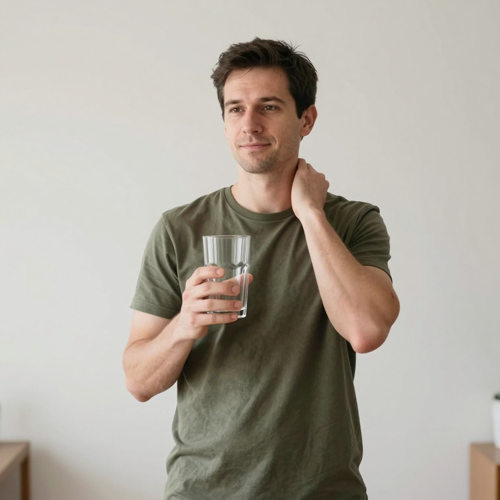
The joke lives in the switch. For the first seconds the subject stands with a drink, scratches the neck, and rocks on soft knees, unbothered. A face that smiles early gives away the punchline.
The reference format is a single fixed-camera take. Your photo keeps its face, hairstyle and outfit; the moves and scene stay with the template. A sudden cut is the animation drifting.
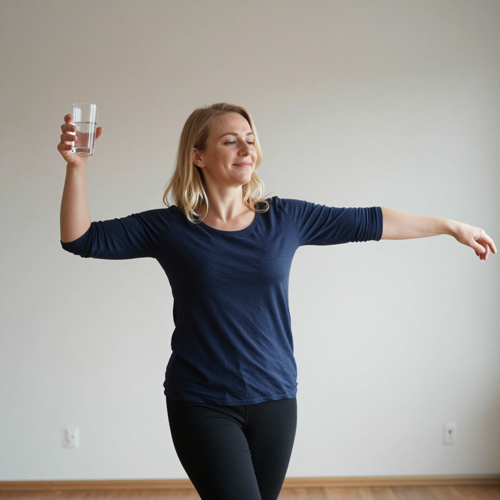
A glass in one hand makes the deadpan pose legible, and it is the first place a clip slips. The drink should stay level while the free arm swings.
Once timing is fixed, the caption changes. A thats the jawn ai dance generator clip carries a mood, a reply, or a series without reshooting.
The common thread is wanting a recognizable clip without a camera, a routine, or a reference video.
Creators posting several times a week want a clip that reads in two seconds. One photo, one upload, one review, one swappable caption.
Reaction pages live on the gap between a flat setup and a punchline. The build and grin are already that gap.
A group chat is a low-stakes place to try a thats the jawn ai dance generator, as long as everyone in the photo agreed to appear.
A one-person team rarely has a camera and a dancer on standby. A fixed effect removes both.
The appeal is subtraction: one photo, one fixed effect, one review.
The timing is built into the effect and no counted footwork.
A fixed template reads one uploaded photo. No wording to get wrong.
A single still photo replaces a shoot, a backyard, and someone holding a straight face on cue.
The fixed-camera, no-cut format keeps the joke intact instead of breaking it into edits.
The output is a short vertical clip sized for feeds, so the download goes straight into a caption and a share.
Hands, the glass and background edges can drift, so compare the render with your photo at full size.
“I skipped every dance trend because I could not hold a straight face on camera. One clear photo later, the deadpan held to the drop, and I had a clip that matched the joke instead of a shaky take.”
“Our reaction account used to stitch three clips together for a flat setup and a punchline. Now the build and the grin are one shot, so I write the caption and check that the glass stays level.”
“Our team has no camera and no dancer, so trends were a week late. A single approved headshot and a pasted caption changed that - we still review every render, but the setup is gone.”
Plain answers on the trend's origin, what 'jawn' means, which photo works, the audio, and the rights and disclosure rules.
It arrived in stages. A tech-house single with a 'thats the jawn' hook landed in late May 2026. By late June creators posted loose grooves to that sound under the same caption. In mid-July a backyard comedy skit reframed it as a wait-for-the-drop gag - bored face, a drink, a neck scratch, then a sudden grin and bounce - and spread into tens of millions of views. An August wave of single-photo AI templates made that switch a one-tap effect. The AI version and the real dance became two different jokes.
It is Philadelphia slang, an all-purpose noun for a thing, a place, a person, an event, or a song. 'That's the jawn' roughly means 'that's the one' or 'that's the good stuff'. Here it points at the instant the drop hits. Take that as a loose guide to slang, not a dictionary definition.
Use one clear, front-facing photo of a single subject, knees-up or full body, with room above the head. Keep the face in even light, with no sunglasses, masks, filters, or blur, and let one hand hang free. Upload the photo, apply the fixed dance effect, then review the hands, glass, and face at full size.
No. The effect is a fixed template - upload one photo and the motion is applied. Copy these captions as-is: 'me after my second drink'; 'when you are waiting for the beat to drop'; 'Friday mood: bored all week, then the weekend drops'; 'holding this face until the good news lands'. Paste a line and let the clip carry the joke.
Some effects ship the trend sound already mixed so the grin lines up with the drop; others export a silent clip and expect an official sound added inside the posting app under that platform's licence. The song belongs to its rights holders and no rights to it are granted with the video. Use only your own photo or one from someone who clearly agreed to appear - many effects refuse minors - never a stranger's selfie or someone else's viral clip. TikTok, Instagram and YouTube ask creators to label AI-generated content, so add that disclosure.
No. The real dance is a loose house groove - hip pops, wrist flicks, an arm sweep, a happy bounce - danced by a person on camera. The AI version is a comedy beat: a still photo held deadpan until the drop, then animated into a grin. Judge a generator on photos, timing, and the switch.
The build works and the grin lands on the beat. Run one clear photo through a thats the jawn ai dance generator on Textideo, compare the clip with your original, and keep the version whose hands, glass, and face hold up.
No choreography to learn - no prompt to write - only use a photo you have permission to share