
The mask is where the edit starts going wrong
Manual proportion work begins with a hand-drawn mask, and a mask that is two pixels off bleeds the warp into the arm, the waist, or the background. Fixing that bleed takes longer than the change itself.
AI breast expansion on Textideo rebuilds the chest area of a photo while the face, pose, outfit folds, and background stay exactly where they were. Upload one image, describe the change in plain words, and set how far the edit should go, from barely-there to pronounced. Preview it free, then download a full-resolution file with no watermark if it holds up at 100% zoom.
The hard part
Warping pixels has always been the cheap part and the believable part has always been expensive, which is why AI breast expansion is built around region-aware generation instead of liquify. Each of these four failures is a place hand edits keep losing to AI breast expansion.
Manual proportion work begins with a hand-drawn mask, and a mask that is two pixels off bleeds the warp into the arm, the waist, or the background. Fixing that bleed takes longer than the change itself.
A warp tool moves the cloth along with the body, so necklines stretch, print patterns smear, and seams curve in ways cloth never curves. Viewers cannot name the flaw, but they spot it immediately.
Change the volume and the shadow underneath should change with it, yet liquify keeps the original shading exactly where it was. The result reads as pasted-on the moment anyone looks at the light.
A setting that worked on the front shot does nothing for the three-quarter view, so batch consistency across a gallery or a catalogue means repeating the entire mask-and-warp process per frame.
How it works
No checkpoints to install, no inpainting parameters to tune, no GPU to provision. The whole AI breast expansion loop runs in the browser, and the only skill it asks for is the ability to describe what you want in a sentence.
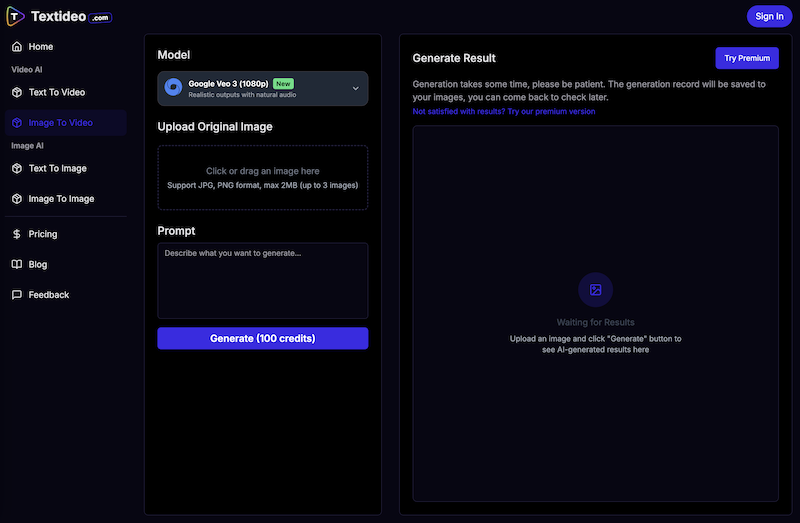
Start with the clearest, best-lit version of the image you have, since AI breast expansion can only work with the detail that is actually there. PNG and JPG both work, and higher resolution gives you more room to push the strength later. This is also the point where consent matters: only upload images you own or have permission to edit.
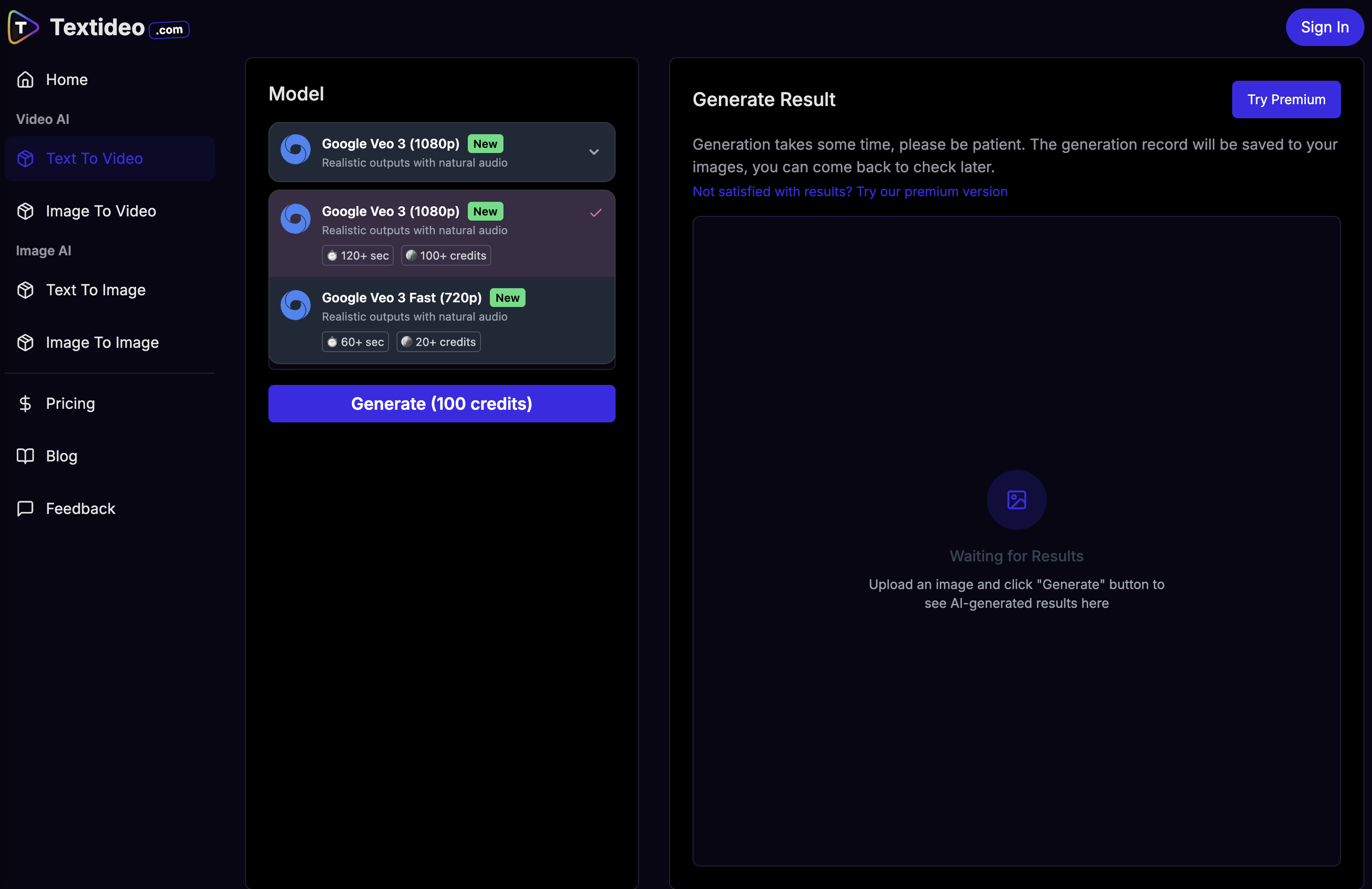
Write the change in ordinary words rather than in tool vocabulary, and decide whether the result should be subtle or pronounced before generating. Adding context such as the garment type or the lighting helps the model match the surrounding scene. If the first attempt overshoots, lower the strength instead of rewriting the whole prompt.
Put the result next to the original at 100% zoom and check the three things that normally give an edit away: fabric folds, shadow direction, and skin texture. Regenerate at a different strength if any of them looks off, then export PNG, JPG, or WEBP at full resolution. Most people settle on a setting after two or three passes and reuse it from then on.
Who uses it
Four groups come back to this tool repeatedly, and they want slightly different things from it: photographers want believable skin, sellers want the garment preserved, creators want a repeatable look, and illustrators want a character that does not drift between panels. Here is what each of them gets out of it.
Working photographers get proportion requests on almost every shoot, and each one is an hour of masking, warping, and repainting folds before the shadow is even addressed. With AI breast expansion, the request becomes a single upload and a strength setting, and the resulting file still matches the skin and grain of the unedited frames in the same gallery. Studios keep it at the subtle end by default and reserve stronger settings for explicit client requests.
Catalogue consistency is a conversion problem: the same garment shot on three days with three different models reads as three different products. Sellers use AI breast expansion to bring model proportions onto one baseline while the neckline, print scale, and stitching stay exactly as photographed. It also removes the reshoots that used to be the only way to fix a listing with awkward drape.
Accounts that post daily need a recognisable visual signature, and rebuilding that signature by hand for every image is not realistic. Creators set one proportion level and reuse it, so a grid looks like it came from a single session even when it did not. Because the face and pose are preserved, the edit supports the personal brand instead of replacing it.
Character artists work in sequences, and the failure mode of manual edits is drift: frame nine quietly stops matching frame one. Applying the same AI breast expansion settings across a sheet keeps proportion and line quality aligned without redrawing the figure. It is also the fastest way to test how a design reads at a different proportion before committing to a full illustration.
Features
Three capabilities decide whether a proportion edit is usable in real client work: how little setup it demands, how precisely it can be controlled, and what you actually get out at the end. Everything else is decoration. These are the three this tool is judged on.
Instead of stamping a preset shape onto the chest, the model reads the anatomy, garment, and lighting of your specific photo and rebuilds only that region. Because the surrounding pixels are used as context, seam artefacts are far less likely than with warp or liquify tools. It is the difference between pasting a shape and growing one out of the existing image.
Strength is a range, not a preset, so the same photo can be generated at three different levels and compared before you commit. Low settings suit portrait work where the change should not be nameable; higher ones suit stylised or character art where the silhouette is the point. Regeneration is unlimited, so dialling it in costs nothing but a few seconds.
Finished edits come back at source resolution in PNG, JPG, or WEBP with no watermark on paid exports, which matters because most proportion edits are judged at full size. Keeping PNG is worth it if the file will be retouched again; JPG and WEBP are better when the image goes straight into a listing or a post.
Why choose this
Plenty of tools can stretch pixels; far fewer can change one proportion and keep skin texture, fabric folds, and light direction believable at the same time. The difference shows up in the details a client notices without being able to name. These are the six things this workflow is built to protect.
Most proportion edits fail at the setup stage, not the output stage: the mask is slightly wrong, the warp bleeds into the arm, and the whole thing has to be redone. Here you describe the change in a sentence and the model finds the region itself, reading the garment and the pose to decide where the boundary sits. That removes the step where most manual edits quietly go wrong.
Face, hairstyle, hands, camera angle, and background are locked as reference rather than regenerated, so the person in the output is still the person in the input. This is the difference between an edit a client accepts and one they reject on sight. When a result does drift, dropping the strength slightly is usually enough to bring identity back.
A warp tool moves pixels; it does not understand that a heavier drape casts a different shadow or that a neckline sits differently under more volume. The model here redraws folds, shadow direction, and skin texture as part of the same pass, which is why results hold up at 100% zoom instead of only in a thumbnail.
Fixed presets force you to accept whatever the tool decided; AI breast expansion runs on a range instead, from a change nobody will name to a clearly pronounced one. Regeneration at a different strength costs nothing, so comparing two versions side by side is the normal way to work rather than a luxury.
Portrait files are the most sensitive images most people ever upload, so the handling matters as much as the output. Images are processed for the single job requested, never reviewed by a human, and not used to train models. Combined with the consent rule, that makes AI breast expansion usable for client work rather than only for personal experiments.
An export is rarely the end of the job. Once a proportion edit looks right, the same file can be upscaled, converted, or pushed into another generator without leaving the platform or re-uploading anything. Keeping the whole chain in one place is what turns a single edit into a repeatable workflow.
Styles & variations
The same proportion change has to obey different rules depending on what is in the frame. A studio portrait is judged on skin and shadow, a product listing is judged on whether the garment still looks like the garment, and a character sheet is judged on whether panel two still matches panel one. AI breast expansion is tuned per case instead of applying one fixed filter everywhere.
In a portrait, the giveaway is rarely the shape itself; it is the shadow under the fabric that no longer matches the key light, or skin texture that suddenly looks smoother than the neck and shoulders. This mode keeps light direction, grain, and skin detail continuous across the seam, so a retoucher can drop the result into a client gallery without a second pass. Portrait work usually sits at the subtle end of the strength range, where the change reads as a pose rather than as an edit.
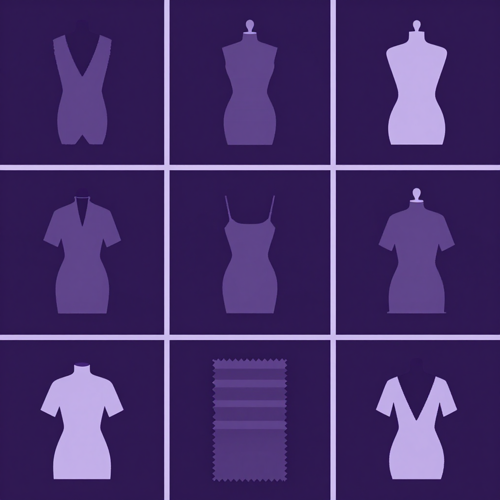
Product photography has a harder constraint than portraiture: the garment is the thing being sold, so a distorted neckline or a stretched print pattern is a return waiting to happen. Here the model preserves weave, print scale, stitching, and how the fabric sits under its own weight, then adjusts the silhouette underneath. Sellers use it to keep model proportions consistent across a catalogue shot on three different days.
Drawn figures follow a different set of rules, because line weight, fill style, and palette are part of the character's identity. This mode reads the existing art style first and expands within it, so a stylised or anime figure keeps its own line quality instead of drifting toward photoreal rendering. For comic and series work, that consistency across panels matters more than any single frame looking impressive.
Where it shows up
The interesting question is never whether a tool can change a proportion; it is which real jobs that change removes from someone's afternoon. These are the four situations that come up most often, from a profile photo that has to survive a thumbnail crop to a character sheet that has to match across panels.

Profile pictures are judged in a thumbnail, which is the most unforgiving size there is: any seam or smear shows up immediately. Running AI breast expansion at a subtle strength on a well-lit original gives a profile shot that survives being cropped to a circle. The face is untouched, so the photo still looks like the person who uploaded it.
Fit is the single biggest reason apparel gets returned, and most of that uncertainty comes from not knowing how a cut sits on a particular frame. Editing a photo of yourself into the listing's proportions gives a rough preview before an order is placed. Because the garment is preserved as the shape changes underneath, the preview shows drape rather than a stretched print.
Client galleries are where retouching time either disappears or pays off. A proportion request that used to mean an hour of masking and repainting folds now takes one upload and a strength setting, and the before and after can be shown side by side for approval. Studios keep the subtle version as the default and only push strength when a client asks for it specifically.
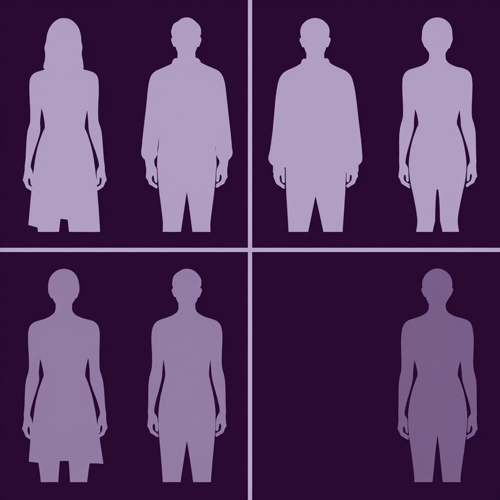
Series art is judged across panels, not within one of them, and a character whose proportions drift between frames breaks the read. Locking style and proportion means frame nine matches frame one without manual correction. Illustrators typically generate a reference frame first, then reuse the same settings for the rest of the sequence.
What people say
The pattern in feedback is consistent: the time saved is almost never the interesting part. What people mention first about AI breast expansion is that the before and after both look photographed rather than edited.
“Dana R., portrait retoucher”
“Marc T., fashion seller”
“Ivy L., character artist”
Explore more
AI breast expansion rarely runs alone. These are the tools and models on Textideo it most often pairs with.
Read more
FAQ
Most people arrive at this page with the same three worries: whether the edit will look fake, whether the face survives it, and what happens to the upload afterwards. These ten questions cover those, plus the practical details on file formats, strength control, and cost.
AI breast expansion is an image editing workflow that increases the apparent bust volume in a photo while keeping the rest of the frame intact. Instead of stretching pixels the way a warp tool does, a generative model rebuilds the edited region from the surrounding anatomy, garment, and lighting. The result is a new version of the same picture rather than a visibly pulled one.
The terms are often used interchangeably, but they point at different jobs. AI breast enlargement usually means a fixed, one-size filter applied over the chest area, while a general body editor reshapes the whole silhouette and can move waist, hips, and shoulders at the same time. AI breast expansion targets a single proportion: it changes volume and contour in that one region and leaves every other measurement alone. If you need a figure changed overall, a body editor is the better tool; if only one proportion should move, this is more predictable.
An edit looks fake for three reasons: the fabric no longer drapes the way it should, the shadow direction disagrees with the rest of the scene, and the skin texture changes resolution across the seam. This workflow redraws those three things together with the shape change, which is what keeps the result believable at full size. Judging it at 100% zoom rather than in a thumbnail is still the honest test.
No. The face, hairstyle, hands, pose, camera angle, and background are treated as reference, not as material to be regenerated. Only the region you described is rebuilt, so the person in the output is still recognisably the person in the input. If a face does shift, the proportion setting was pushed past what the source photo can support and a slightly lower strength will hold identity better.
Clear, well-lit images where the torso is visible and not cut off by the frame edge work best, and front or three-quarter angles give the model more information than a steep side view. Heavy motion blur, extreme compression artefacts, and busy patterned clothing are the usual reasons a result looks soft. Higher resolution sources give you more room to push the strength slider before the edit stops holding up.
Yes. Strength runs along a range from barely-there to pronounced, and you can regenerate at any point on that range as many times as you like rather than being locked to a preset cup or size. Comparing two strengths side by side is the fastest way to find the level where the change reads as natural instead of as an edit.
Yes, drawn figures are handled differently from photographs on purpose. On illustration, anime, and stylised art the model follows the existing line weight, fill style, and colour palette so a character sheet stays consistent across frames. That consistency is what makes it usable for series art, where the same character has to match panel to panel.
Finished edits download at the source resolution in PNG, JPG, and WEBP, with no watermark on paid exports. Keep the PNG if the file will be retouched further, since it avoids a second compression pass, and use JPG or WEBP when the image is going straight to a listing or a social post.
Uploads are processed for the single job you requested and are not kept as a permanent library or fed into model training. Nothing is reviewed by a human, and files are removed after delivery. As with any portrait tool, the rule that matters most is consent: run AI breast expansion only on images you own or have explicit permission to edit.
You can preview the edit free on Textideo and see the result before paying anything, with higher-resolution unwatermarked downloads on paid plans. Free previews are deliberately lower resolution so you can judge whether the proportion is right before committing. No credit card is required to run the first preview.
Every retoucher knows the slow version of this job: paint a mask, warp the shape, repaint the fabric folds, then fix the shadow that no longer points the same way. AI breast expansion collapses that hour into one upload, one sentence, and one strength setting. Run a free preview on Textideo, check it at full size, and only then decide whether to download.