
AI Character Swap: Replace the Person, Keep the Performance
An AI character swap replaces the person on screen while the take you already shot keeps running: same walk, same timing, same audio. It rebuilds the face, hair, body proportions and clothing out of your reference photo, then tracks that character through every turn and gesture. Test ad concepts, localize a scene, or hold a cast steady across a series without reshooting anything.
Rated on what decides an AI character swap: whether the character holds across the frames, and whether you hold the rights to every face in it No credit card required - no sign-up walls - your footage stays your footage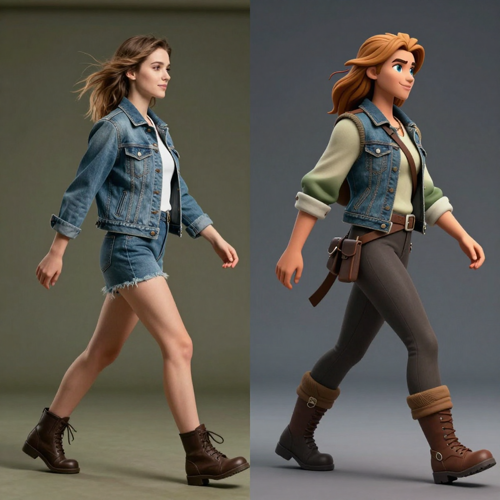
Every AI Character Swap Begins With One Clean Reference
The workflow needs two things: a clip where the performer is clearly visible, and a still of the character who should be there instead. The walk, the timing, the sound — you already filmed those. Run the AI character swap through Textideo and judge where identity is weakest.
Run Your First Character SwapThe Hard Part With an AI Character Swap Isn't the Face
The scene was right and the person in it was not. For years the only fix was another shoot day.
Run an AI Character Swap in Three Steps
No timeline, no keyframes, no masking passes. The AI character swap workflow is editorial: prepare the plate, hand over the reference, judge the frames where identity is weakest.
Trim the clip to one action
Cut the footage to the single continuous action you want swapped — several cuts read as one shot to the tracker. Pick a take where the performer fills the frame under even light, and keep the opening second front-on: the first frames set the identity the rest are matched against.
Upload the reference stills
Add one sharp, front-facing photo of the character who should be there instead — head and shoulders visible, no sunglasses, no group shot. A second still at a similar distance supplies the outfit when face and wardrobe come from different sources.
Prompt the AI character swap, then police the profile frames
Name what stays and what changes: "Replace the person with the reference character. Keep the original pose, camera angle, lighting and background unchanged." Then scrub to the moments where the head turns past three-quarters — that is where a swap gives itself away first, and where a re-run with a tighter reference pays off.
What Actually Changes When a Character Swap Runs
Three mechanics decide whether an AI character swap survives contact with a real deadline: how identity is sourced, how much of the take the prompt protects, and where the seams show.
What a Clean AI Character Swap Looks Like
Three directions that hold up in paying work, each stressing a different part of the AI character swap pipeline: casting speed, motion continuity, commercial restraint.
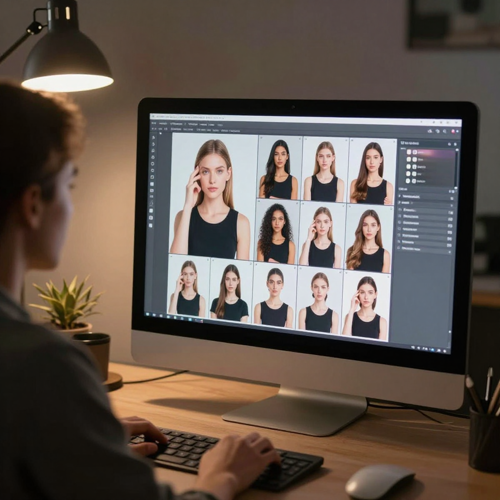
Ad Concept Testing Without a Reshoot
Swap different personas into the same approved layout and let the click data pick the winner before production money moves. One strong AI character swap scene becomes a row of scroll-stopping variants, each testing a casting call.
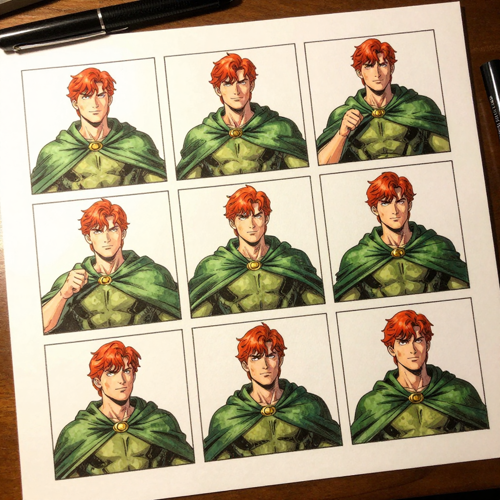
Comic and Story Series Frames
Hold one character steady across pages that were never drawn together by locking the reference file and the prompt wording. Change only the action clause and the cast stays recognizable into the finale.
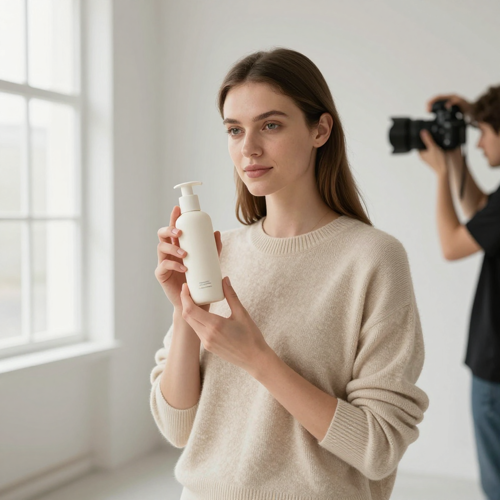
Product Lifestyle Scenes
Keep wardrobe and body type consistent across market-specific lifestyle images while the product, pose and lighting logic stay as briefed. One hero scene, localized castings, zero reshoots — the version ad teams reach for.
Input Types That Make or Break the Swap
An AI character swap is only as good as what you feed it — four inputs decide most of the outcome.
Who Struggles When a Scene Needs a Different Person
Four teams keep hitting the same wall: the scene is right and the person in it is not. A swap clears it.
Marketers Testing AI Character Swap Variants
An AI character swap lets a growth team try three personas in one layout before commissioning production, so budget follows evidence. The same scene localizes cleanly: same setting, same product, different market.
Short-Form Creators and UGC Teams
One filmed take becomes a week of content when the performer changes but the bit does not. Trends move faster than shoot schedules, and a swap keeps a missed slot from killing the upload.
Comic Artists and Story Studios
Series work lives or dies on a recognizable cast. Locking one reference file across panels keeps a protagonist on-model while only the action clause changes between scenes.
Designers Mocking Up Lifestyle Imagery
Concept decks and pitch visuals need believable people in believable scenes without booking talent. A rights-cleared swap produces placeholder humans that read as final art rather than as stock.
The AI Character Swap Workflow at a Glance
- YouTube
- TikTok
- Shopify
Why This AI Character Swap Beats a Reshoot
The value is not novelty — it is the footage you never film again: one take becomes dozens of variants when the character, not the scene, changes.
One Take Becomes Many Castings
Because the AI character swap rebuilds the person while the walk, gestures and camera move stay as filmed, one approved take carries a different persona for every market or ad angle — no second shoot day.
The Whole Subject Travels, Not Just the Face
Hair length, outfit colour, body proportions and skin move to the reference together, which separates this AI character swap workflow from a face swap app built for quick jokes.
Scene Logic Stays Untouched
Lighting direction, lens distortion and contact shadows come out of the plate you shot, so the new character reads as present in the frame instead of pasted over it.
Series Continuity Without Re-casting
Comic pages, story episodes and storyboards hold one character steady when you lock the same reference file and reuse the same prompt wording, changing only the action clause.
Consent Built Into the Workflow
The rule is blunt: rights to the footage and rights to the face, separately. An AI character swap run through Textideo keeps the release, the reference and the render side by side.
Disclosure Before Upload, Not After
YouTube, Meta and TikTok each give you a switch to declare a synthetic performer. Labeling deliberately beats being labelled by a system, and the disclosed swap survives platform sweeps.
What Creators Say About the AI Character Swap Workflow
“Uploads used to die whenever a shoot slot fell through. Now one take carries three performers on schedule — we just police the profile frames first.”
“Casting was a bet made with the whole production budget. Persona variants in one layout let click data pick the winner before money moves.”
“My protagonist drifted panel to panel and readers noticed. One locked reference keeps the cast on-model across every scene now.”
Straight Answers on Swapping Characters With AI
Real questions, including the consent rules nobody can skip when running an AI character swap on real footage.
What exactly is an AI character swap?
It replaces the person in a photo or video with another character while the scene around them stays untouched. Unlike a face overlay, an AI character swap can change the whole subject — hair, outfit, body proportions, art style, even species — while the pose, camera move and lighting you filmed keep running underneath.
Character swap vs face swap: which one do I need?
A face swap replaces facial identity only, which is why it dominates quick meme apps. A character swap is wider: hair, wardrobe, silhouette and skin all travel to the reference. The trade-off: wider replacements leave more places for artifacts, especially hands and clothing edges.
Is this the same as an AI character generator or character animation?
No. A character generator invents a new character out of a text prompt. Character animation takes a designed character and makes it move. An AI character swap starts with existing footage and changes who appears in it — the editing sibling, built for recasting a take rather than creating one.
Why does my swap look wrong on certain frames?
Failures cluster in predictable spots: profile turns past three-quarters, occlusions like a hand crossing the face, motion blur, two people standing close, and loose clothing with no fixed shape. Lighting mismatch is the most common tell.
What reference photo gives the best result?
Front-facing or three-quarter, sharp, high-resolution, whole head and shoulders visible, even exposure. Avoid heavy beauty filters, sunglasses and very dark lighting. One sharp reference beats a clever prompt.
What prompt should I use for an AI character swap?
Copy this pattern and edit it: "Replace the person with the reference character. Preserve the original pose, camera angle, background, and lighting direction. Keep the product unchanged. Carry the outfit colour and hair length across. Make the result natural and campaign-ready." The principle: name what must stay as loudly as what changes.
Whose photos am I allowed to use?
Only material you have the rights to: your own footage, likenesses you have written permission for, or fictional characters you are allowed to modify. An AI character swap never justifies implying a real person was somewhere they were not. Keep the release, the reference and the render together.
Can I use swapped output in advertising?
Yes, if three rights line up: the source footage, the replacement likeness, and the output under the tool's commercial terms. For real people that means consent on record. Regulators treat endorsements from people who do not exist as deceptive — a generated presenter praising a product is a legal problem.
Ready to Run Your First AI Character Swap?
Trim one clip, add one reference, and watch the take you already shot carry a character it never filmed. Judge the profile frames, keep the rights chain, disclose on upload.
No credit card required - no sign-up walls - your footage stays your footage